Insight World Space Week 2026: Rocket Revolution Is Changing Access to Space
World Space Week 2026: Rocket Revolution highlights how reusable rockets, commercial launch companies and new space programmes are changing access to orbit. We examine why this matters for satellite technology, internet connectivity and the people who depend on space-based services.
By Vidyadhar. Published . 5 minute read.
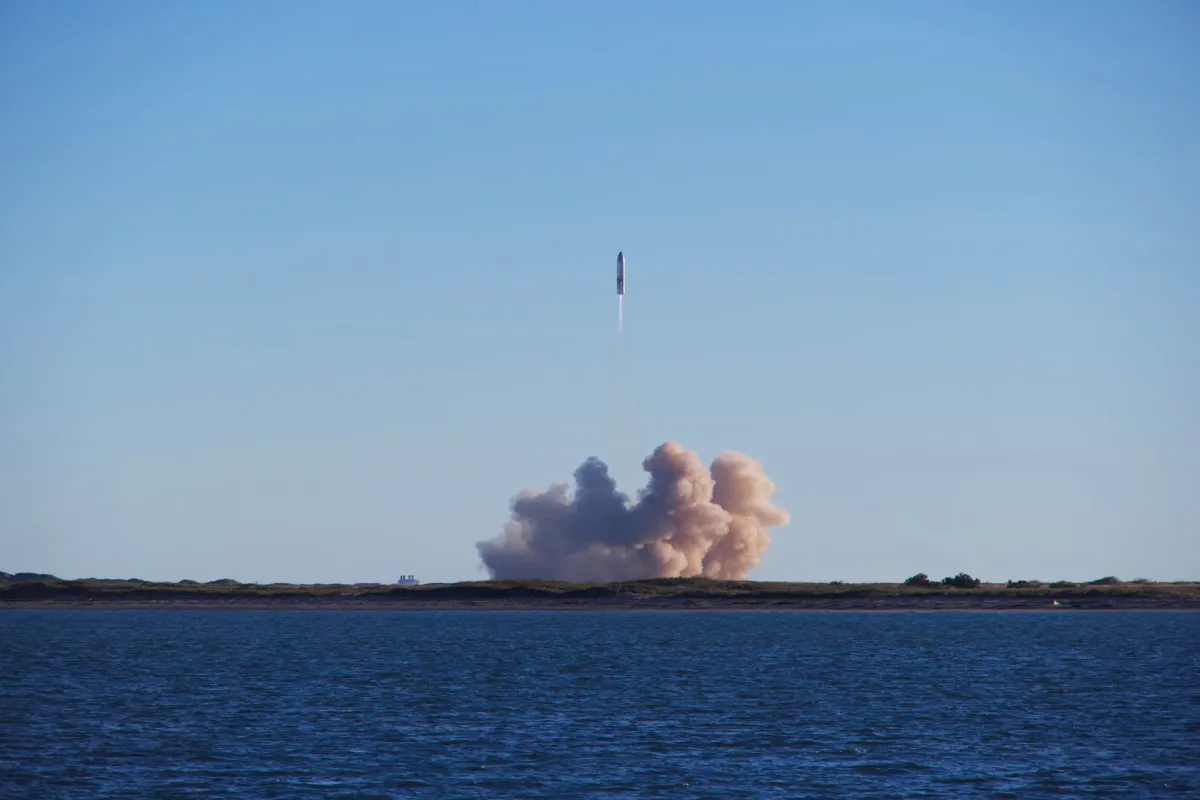
The short version
World Space Week 2026 ran from October 4 to 10 under the official theme Rocket Revolution, focusing on changes in space launch technology.
Reusable rockets and expanding commercial launch services are creating opportunities for satellite communications, scientific research and smaller space organisations.
More launches do not automatically mean better services, so reliability, orbital safety and practical benefits deserve as much attention as rocket technology.
World Space Week 2026 puts rocket technology in focus
World Space Week 2026 focused on a major change in space exploration. Rocket launches are no longer limited to a small group of government agencies, and reusable launch technology is changing how companies and researchers approach space missions.
We believe the most important part of this shift is what improved access to orbit makes possible on Earth. Better launch options can support communications satellites, weather monitoring, scientific research and services used by ordinary internet customers.
The official Rocket Revolution theme recognised the growing role of commercial launch providers, university teams, startups and national space programmes.
The event ran from October 4 to 10, 2026, continuing a United Nations observance established in 1999. The dates commemorate the launch of Sputnik in 1957 and the entry into force of the Outer Space Treaty in 1967.
These historical milestones help explain why the celebration focuses on access to space rather than rocket launches alone.
Why reusable rockets matter
Traditional launch systems often discard major rocket components after a mission. Reusable designs aim to recover selected components, inspect them and prepare them for further flights.
The potential advantage is reduced dependence on manufacturing entirely new hardware for every launch. Reuse can also help operators develop more regular launch schedules when recovery and refurbishment work as intended.
However, recovering a rocket does not automatically make a mission cheaper. Inspection, maintenance, refurbishment, launch infrastructure and operational reliability all affect the economics.
We would therefore judge reusable launch technology by demonstrated operational results rather than the appearance of a successful landing.
SpaceX has helped make rocket reuse a central topic in commercial spaceflight. Other launch organisations are also developing systems intended to improve efficiency and increase access to orbit.
The wider significance is that launch services increasingly support commercial activities alongside government exploration programmes.
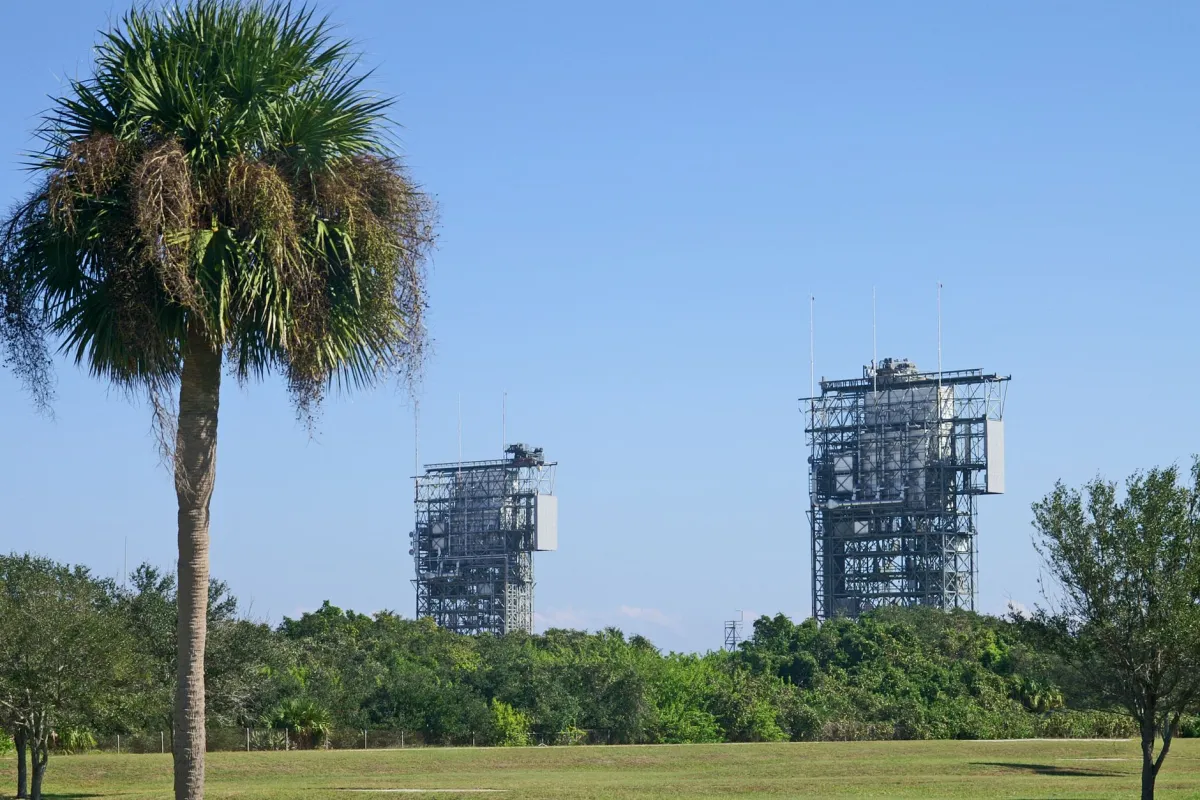
Commercial spaceflight is changing who can reach orbit
Space missions require more than a rocket. Organisations need spacecraft, engineering support, ground systems, regulatory approval and access to suitable launch services.
Historically, these requirements placed substantial barriers in front of smaller organisations.
Commercial launch providers are changing part of that process by offering launch services to customers that do not operate their own rockets.
Universities can develop research payloads, startups can work on satellite applications, and established companies can pursue communications and Earth observation projects.
For the United States, the United Kingdom and India, this creates opportunities across engineering, software development, manufacturing and satellite data services.
India's World Space Week 2026 activities also reflected this broader interest. Space organisations and educational institutions promoted public programmes explaining reusable vehicles, launch systems and the changing role of commercial participants.
Still, access to a launch provider is only part of the challenge. Smaller organisations must also address technical testing, mission funding, spectrum coordination and spacecraft operations.
Satellite internet shows why rocket development matters
Satellite broadband is a practical example of how launch technology connects to everyday digital services.
Low-Earth Orbit internet networks rely on constellations of satellites moving around Earth. These systems require launches to deploy spacecraft, expand coverage and replace satellites that reach the end of their operational lives.
Commercial launch capability therefore plays an important supporting role in the growth of satellite connectivity.
For households beyond dependable fibre or mobile coverage, satellite broadband can provide another way to access education, cloud software and communication services.
Businesses operating in remote areas may also use satellite links for branch connectivity, monitoring systems and backup internet access.
However, launch progress does not guarantee better broadband performance. Customers still depend on satellite capacity, ground infrastructure, local regulatory approval and suitable equipment.
We would not recommend switching broadband providers simply because a company has announced a new rocket or satellite deployment.
Google Doodles helped bring space science to a wider audience
World Space Week also showed how digital platforms can introduce space science to people who may never attend a launch or visit an observatory.
Google marked the 2026 celebration with a space-themed Doodle featuring imagery from the James Webb Space Telescope.
These visual features can encourage people to explore subjects such as astronomy, spacecraft engineering and scientific imaging.
For readers interested in technology, the connection is useful. Modern space research depends on sensors, image processing, communications systems and software that turn observations into information people can study.
Interactive educational material can make these subjects easier to approach, particularly for students encountering space science for the first time.
However, online attention should not be confused with measurable improvements in scientific understanding. Search interest and visual engagement can show curiosity, but they do not establish how much someone has learned.
We could not verify the reported search volume attributed to World Space Week 2026, so we have excluded that figure.
More rocket launches bring operational challenges
The strongest objection to rapid commercial space expansion concerns the consequences of increasing launch activity.
More spacecraft create additional requirements for orbital tracking, collision avoidance and responsible disposal.
Launch operations also involve environmental considerations, including emissions, local impacts around launch facilities and the effects of spacecraft re-entry.
These concerns deserve attention alongside improvements in launch capability.
Reusable systems may reduce the need to manufacture replacement rocket components, but that does not establish that every reusable launch system has a lower overall environmental impact.
We would expect operators and regulators to assess the complete mission lifecycle, including production, launch, recovery, refurbishment and disposal.
Reliable satellite services also depend on responsible spacecraft operations after deployment.
The Rocket Revolution theme is therefore best understood as a discussion about making space access more capable and sustainable, rather than simply increasing launch frequency.
How readers can explore the Rocket Revolution
World Space Week offers a useful starting point for learning about the technology behind modern space services.
We recommend a practical approach:
Start with official programmes. Review educational resources from the World Space Week Association and national space agencies.
Learn how reusable rockets work. Focus on recovery, refurbishment, launch preparation and the engineering limits of repeated flights.
Explore satellite applications. Examine how spacecraft support broadband, weather forecasting, navigation and Earth observation.
Use trusted learning material. Look for mission documentation, educational demonstrations and published technical explanations rather than relying on social media claims.
Check the wider impact. Consider orbital safety, environmental effects and whether new launch capabilities lead to useful services.
Students can begin with simple classroom experiments that demonstrate thrust and motion. Technology professionals may find more value in studying satellite communications, software systems and the services built around space infrastructure.
For broadband customers, the practical lesson is to assess real service availability and performance rather than treating rocket developments as proof of improved connectivity.
World Space Week 2026 highlighted an important transition in the space industry. Our main takeaway is that the value of the Rocket Revolution will be measured by reliable technology, responsible operations and the benefits that reach people on Earth.
Where these numbers come from
Historical dates, the 2026 theme and the description of changing launch access were checked against United Nations and official World Space Week materials. The article uses no unverified market forecasts, search traffic estimates or rocket performance statistics.
Sources
- United Nations (2026). World Space Week
- World Space Week Association (2026). World Space Week
- Indian Space Research Organisation, Vikram Sarabhai Space Centre (2026). About World Space Week 2026
- Saudi Space Agency (2026). World Space Week 2026: Rocket Revolution
- Google (2026). Google Doodles
Questions people ask
What was the theme of World Space Week 2026?
The official theme was Rocket Revolution. It focused on reusable rockets, commercial launch services and how changes in launch technology are expanding access to space.
When was World Space Week 2026 celebrated?
World Space Week 2026 took place from October 4 to 10. The annual observance was established by the United Nations to recognise the contribution of space science and technology.
What does Rocket Revolution mean?
Rocket Revolution describes changes in launch technology and the growing participation of commercial companies, universities and smaller organisations. It also highlights the role of reusable launch systems in supporting future space missions.
How do reusable rockets help the space industry?
Reusable rockets are designed to recover and fly selected components again. This can reduce the need for replacement hardware, although refurbishment costs and operational reliability remain important.
How does rocket technology affect satellite internet?
Satellite internet providers need launch services to deploy and replace spacecraft. Better launch availability can support network expansion, but internet performance still depends on satellite capacity, ground infrastructure and local coverage.
How can students learn about World Space Week?
Students can explore official space agency resources, classroom rocket demonstrations and astronomy activities. World Space Week organisers also provide educational materials and ideas for schools and community groups.